
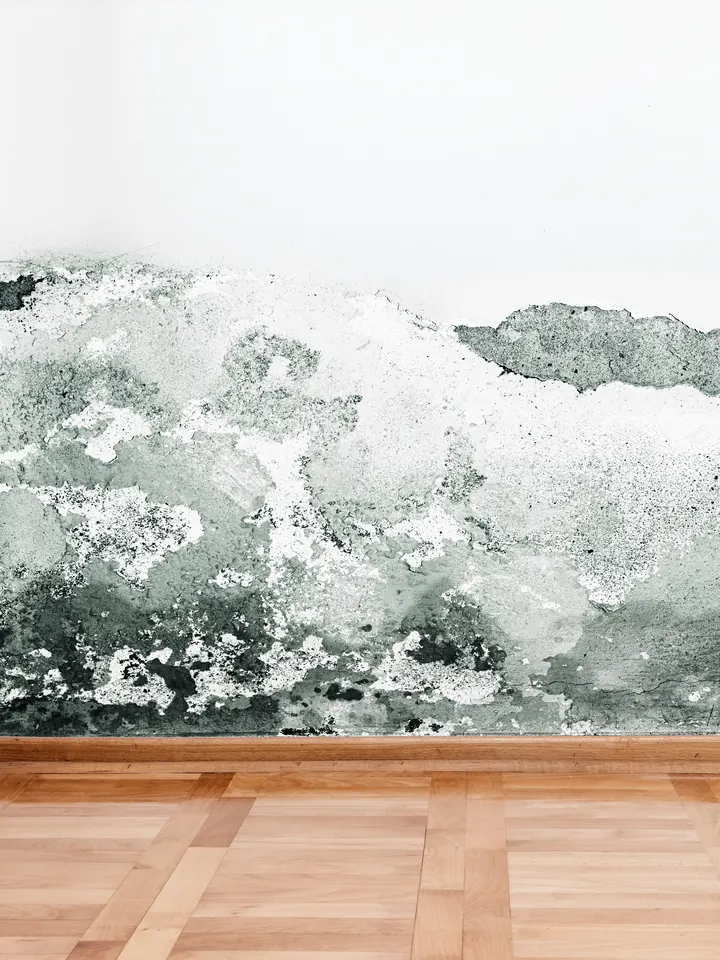
Damp Proofing in Buckinghamshire
Find out what is really making your walls damp, then get a treatment matched to that cause and the damaged plaster or masonry put right afterwards.
Get a FREE Quote
Fill in the form and we'll get back to you shortly.
- Checkatrade Member
- No-Obligation Quotes
- Same-Day Callback
- Fixed Quoted Prices
Damp Proofing Your Home
Damp is a symptom, and the same stain on a wall can come from three very different places. Rising damp draws moisture up from the ground, penetrating damp lets rain in through the outside wall, and condensation forms when moist indoor air meets a cold surface.
Treating the wrong one wastes your money and leaves the problem in place, so we start by working out which you have. The treatment then follows the cause: a new damp proof course, sealing and repairing the outer wall, or improving ventilation where condensation is to blame.
Where rain is soaking through cracked or blown render on an outside wall, putting the damp right often goes hand in hand with rendering and exterior painting, so the wall is sealed against the weather once the inside has dried out.
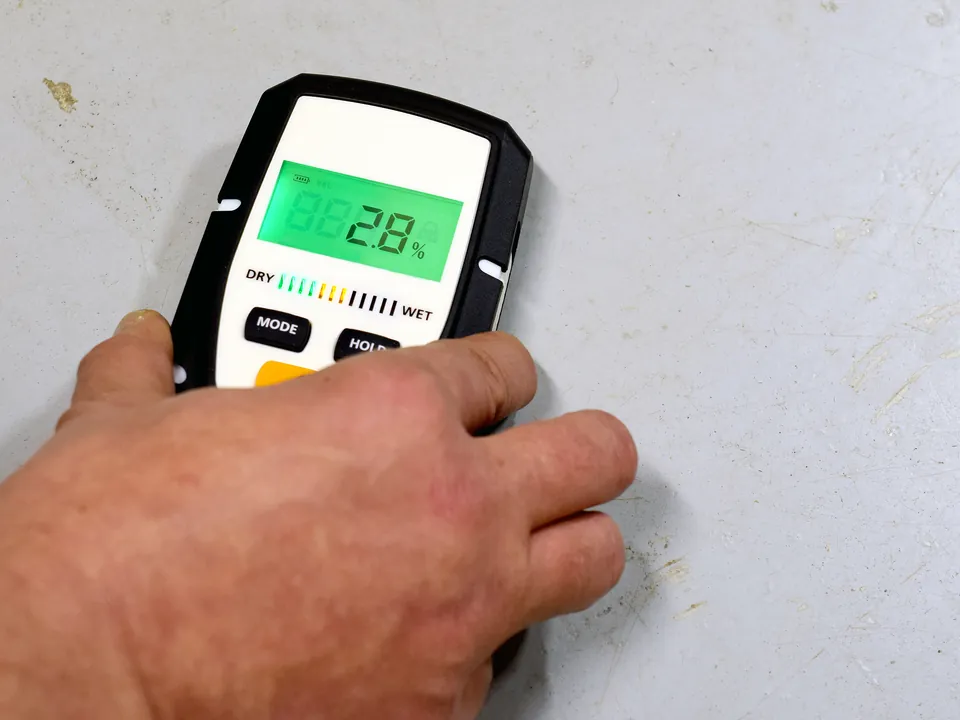
Damp Treatment Covers
Your written quote explains the type of damp we found, the reason we believe it is there and the specific work that will deal with it, room by room and wall by wall.
- Inspection inside and out to trace the source
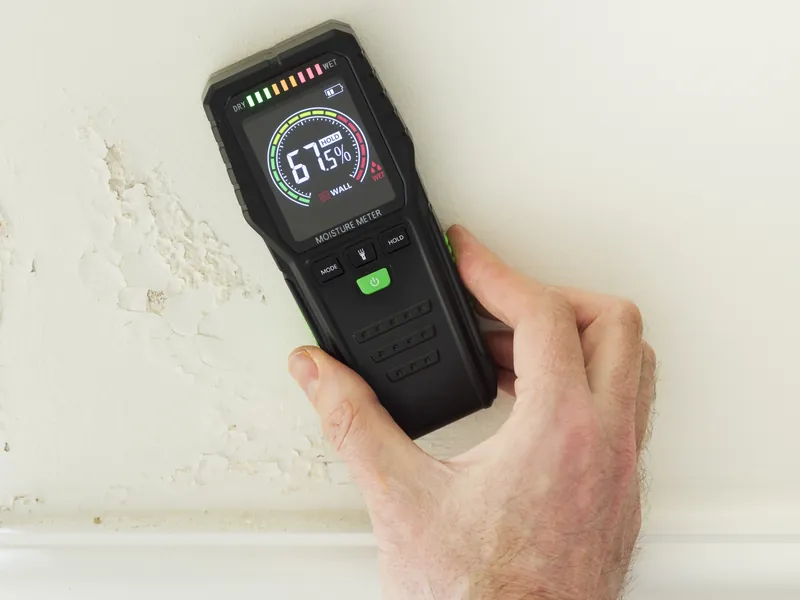
- Moisture readings taken across affected walls
- New damp proof course injected where rising damp
- Bridged damp courses and high ground levels fixed
- Cracked masonry and failed pointing repaired
- Salt-damaged plaster removed and walls replastered
- Ventilation advice and fitting for condensation
- Rubble and old plaster cleared from your home
Signs Your Walls Need Damp Proofing
These are the warning signs homeowners most often notice first. If you see any of them, it is worth having the wall looked at before the damage spreads further.
Tide Marks Low Down
A wavy stain or white salty bloom along the bottom of a wall, up to about a metre high, often points to rising damp.
Crumbling Plaster
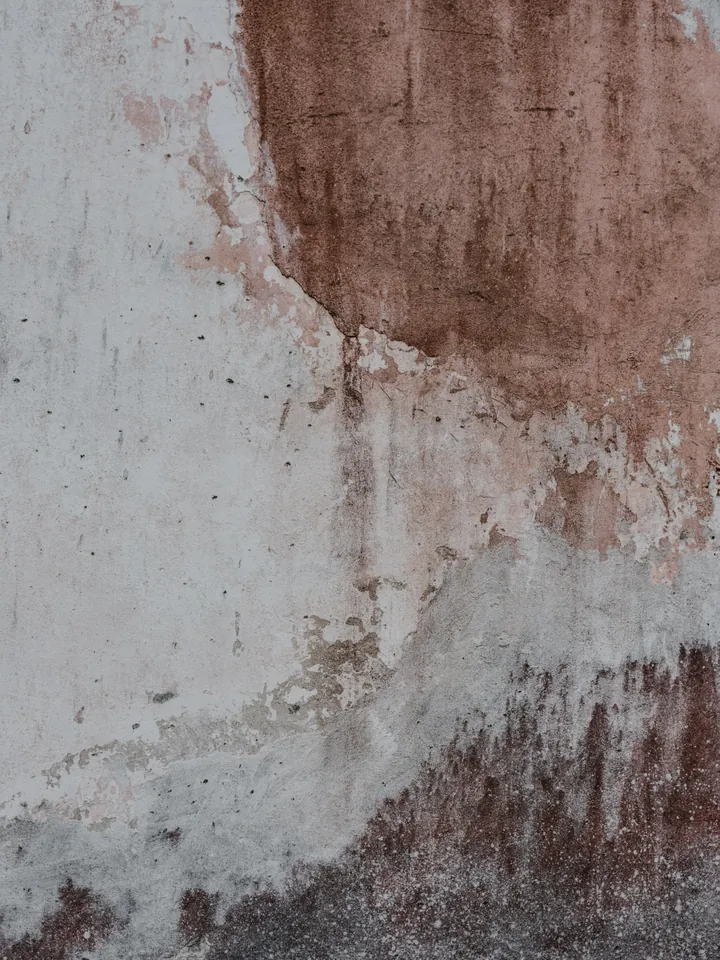
Plaster that sounds hollow, bubbles or turns powdery, and paint or wallpaper that keeps lifting, are signs of moisture.
Patches After Rain
Damp spots that appear or grow darker after heavy rain usually mean water is getting through the outside wall itself.
Mould & Musty Smells
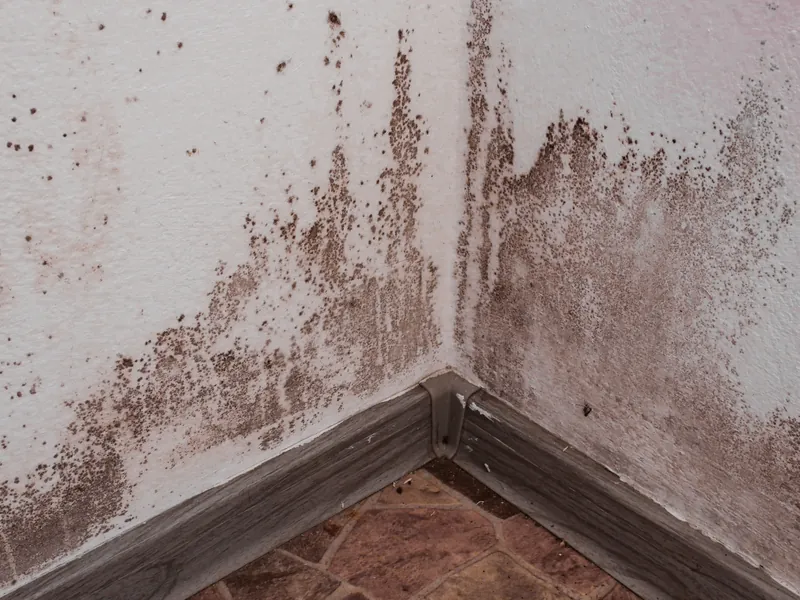
Black mould in corners, behind furniture or around windows, and a stale smell, tend to come from condensation indoors.
Swipe to See More
Why Choose Us for Damp Proofing
You get a straight answer about the cause of the damp from a qualified team, and a price that only includes the work your walls actually need to dry out.
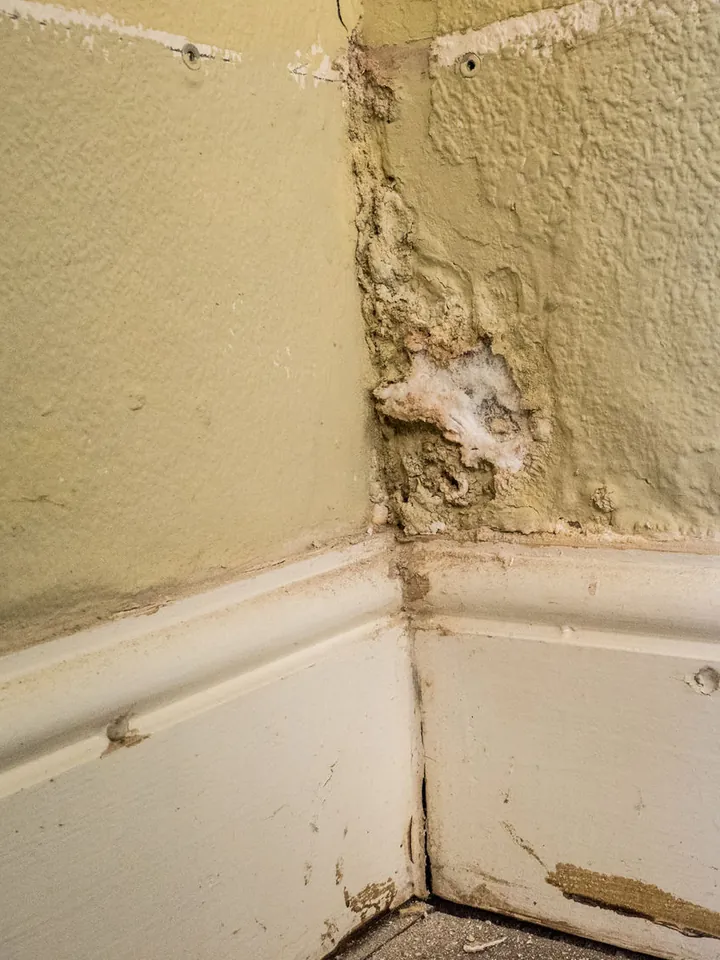
Diagnosis Before Any Treatment
We trace the moisture to its source first, so you only pay for the treatment that matches your damp rather than a standard package.
Swipe to See More
Damp Proofing Reviews
Book a Damp Inspection
Ring now, or leave a few details and a quote will follow.
More Exterior Services
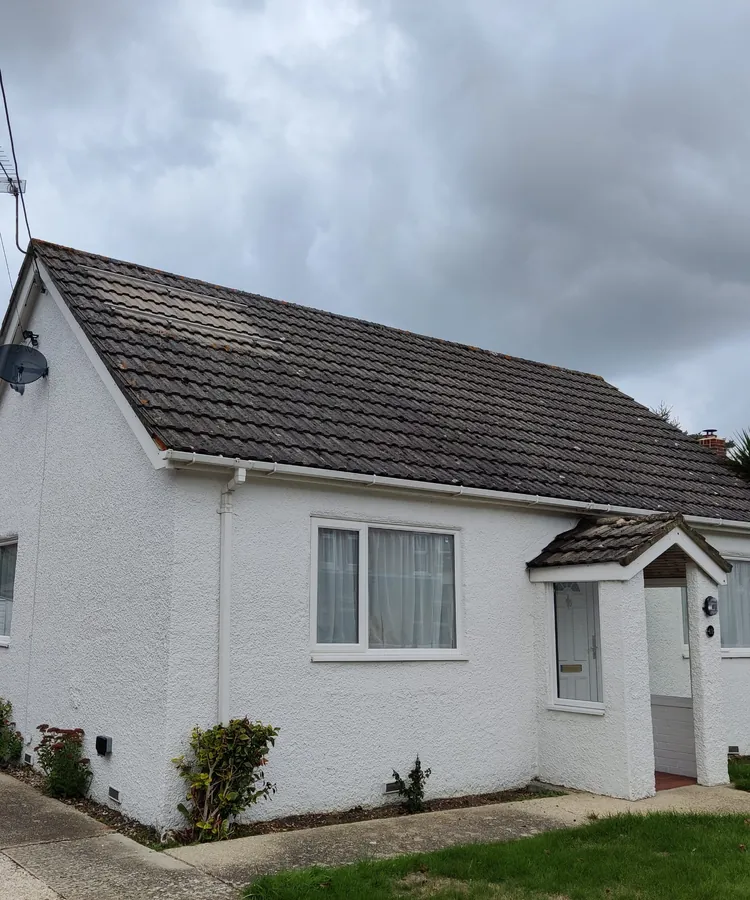
Keeping the outside walls in good condition is the best defence against damp. See the other exterior work we carry out on homes in the county.
Swipe to See More
How We Deal with Damp
Every damp job follows the same logic: find the cause, stop it, then repair what it has damaged.
Swipe to See More
Damp Proofing FAQs
How Can I Tell Rising Damp From Condensation?
Does Every Damp Wall Need a New Damp Proof Course?
Why Does Plaster Have to Be Removed After Treatment?
How Long Does a Wall Take to Dry Out?
Can Condensation Be Cured Without Building Work?
Can't Find the Answer You're Looking For?
Get in touch with us today.