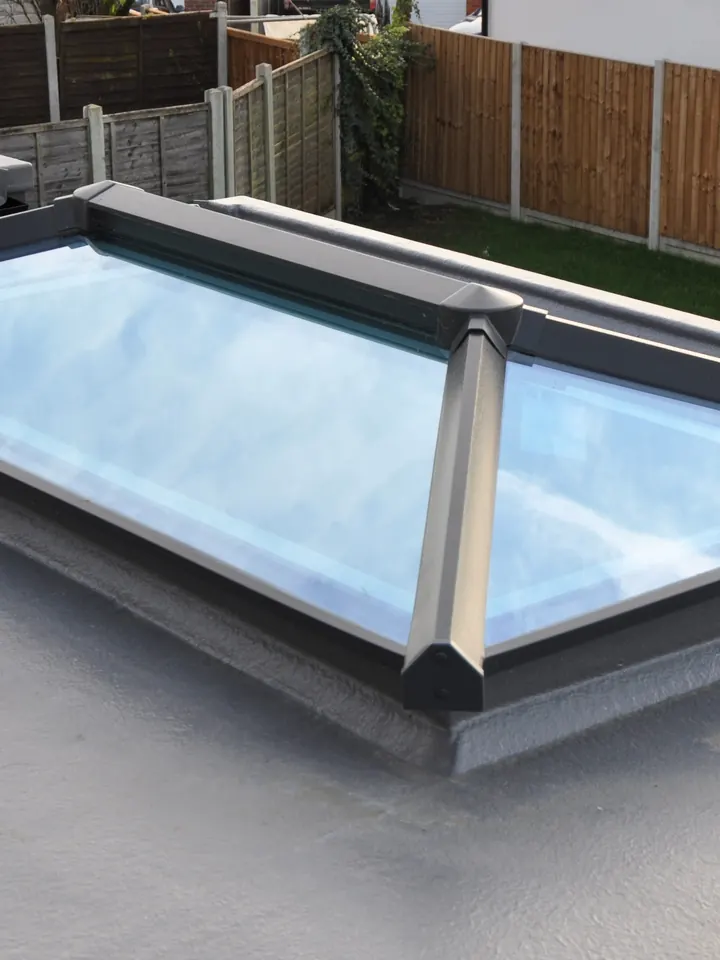
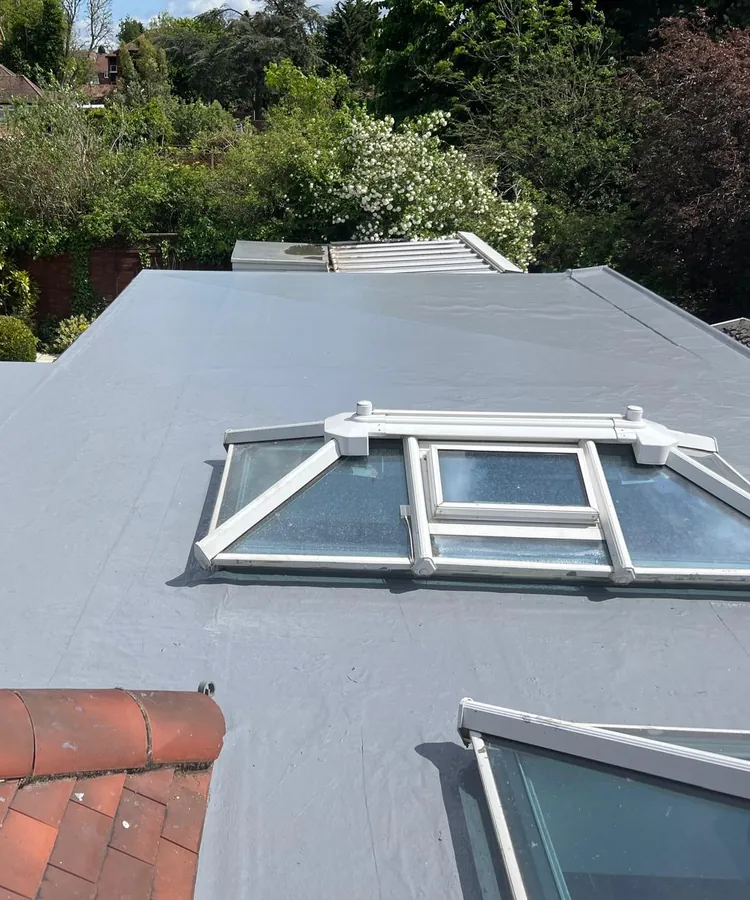
GRP fibreglass flat roof with a glazed roof lantern
GRP Fibreglass Roofing

Fibreglass Roofs in Buckinghamshire

Choose a fibreglass flat roof laminated in place on your home, giving a hard, jointless surface that copes with light foot traffic and finishes neatly at every edge.

Get a FREE Quote

Fill in the form and we'll get back to you shortly.

Step 1 of 2

GRP Roofing

GRP Fibreglass Roofs

A fibreglass roof, also called GRP (glass reinforced plastic), is built on your roof rather than delivered as a sheet. Glass fibre matting is laid onto a prepared deck and soaked with resin, which sets into a single, rigid layer with no joints or seams.

Once the laminate has cured, a coloured topcoat seals the surface and gives it a smooth, even finish. Moulded trims form the edges and drip details, so the whole roof reads as one clean shape on an extension, dormer or garage.

Because the surface is hard, it can take light foot traffic, such as reaching a window to clean it. We lay fibreglass roofs for homes around Gerrards Cross and Beaconsfield, and our rubber roof page covers the flexible alternative.
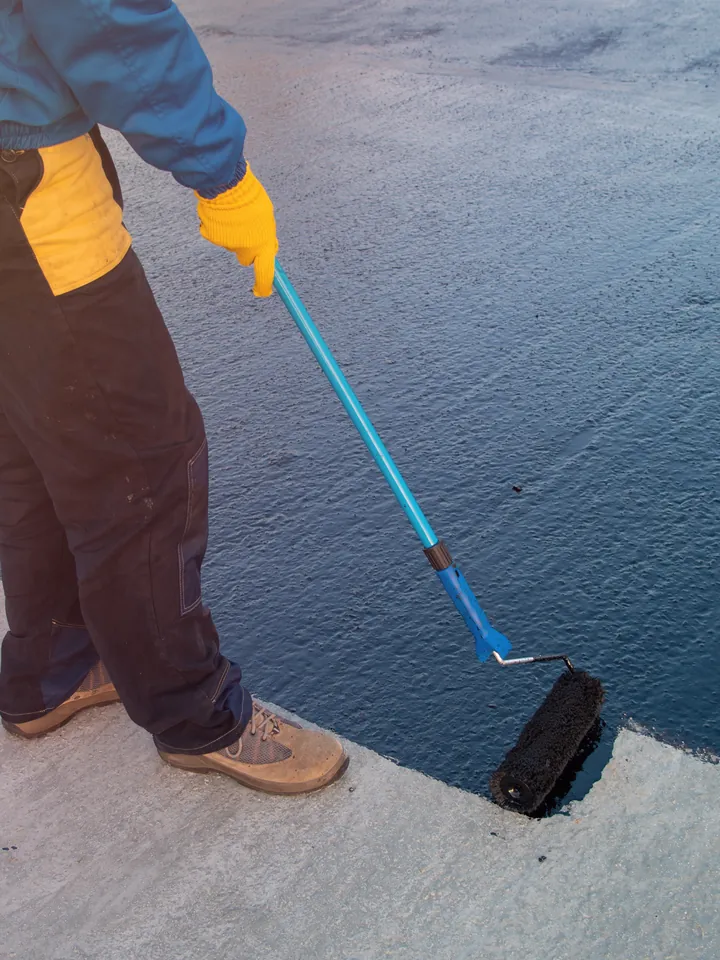
Roofer rolling topcoat onto a GRP fibreglass flat roof
Fibreglass matting being laid on a GRP flat roof
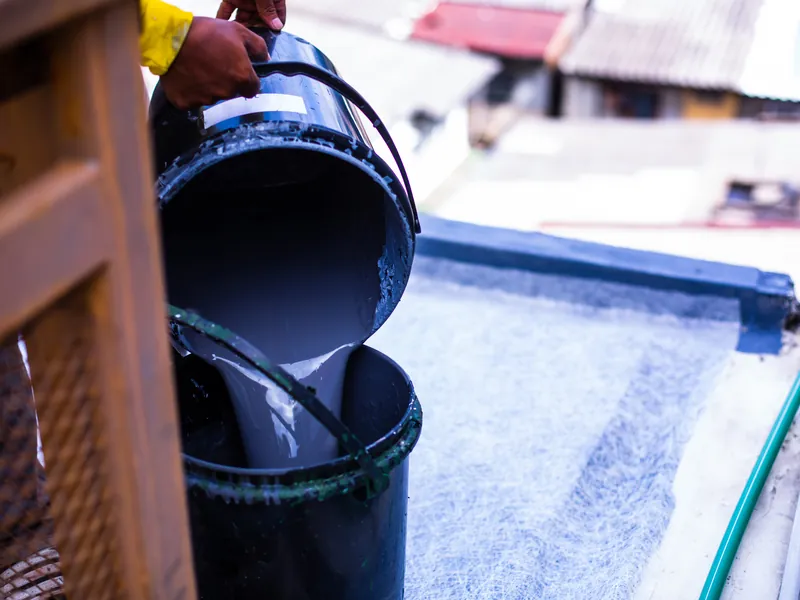
Resin being poured for a GRP fibreglass roof laminate
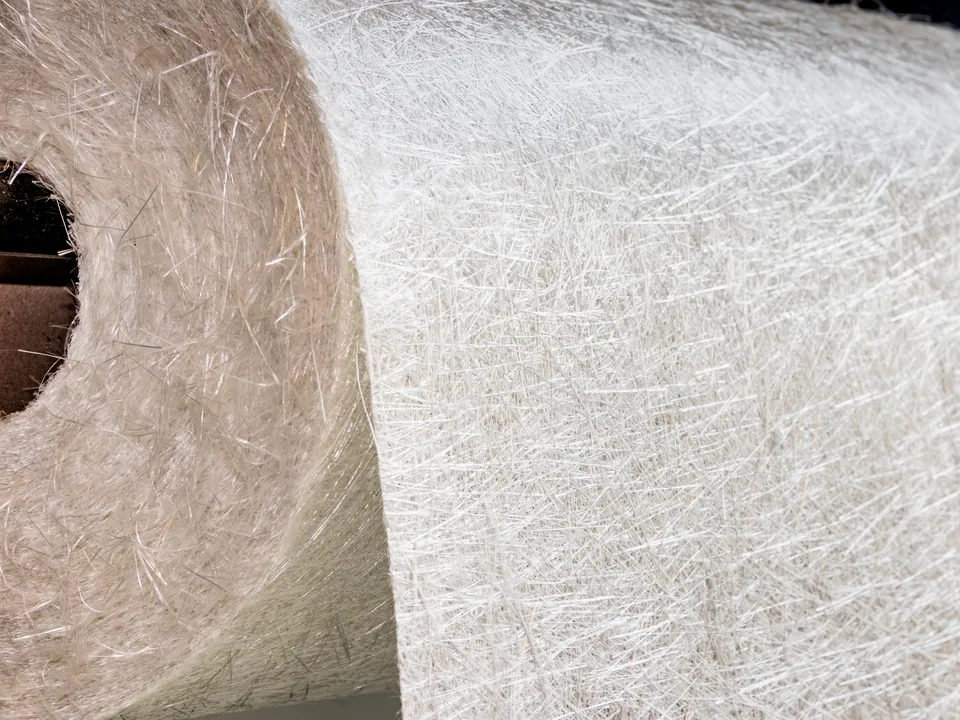
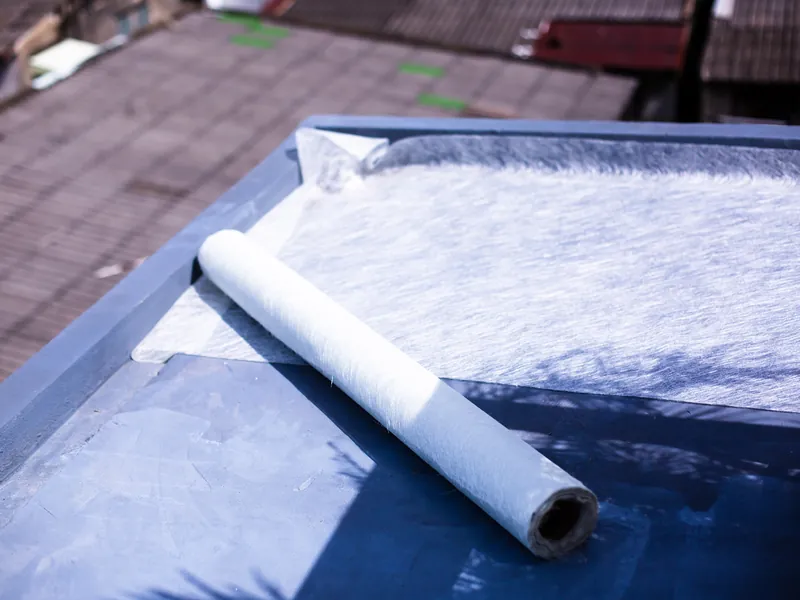
Roll of chopped strand fibreglass matting for GRP roofing
Fibreglass Roofs: What's Included

What Goes Into a GRP Roof

Your written quote covers each part of the fibreglass roof, from the boards beneath to the topcoat and trims, so you can see what the price includes.

  • Old covering removed and the deck inspected
  • New OSB decking where the boards have failed
  • Edge trims fixed before the laminate goes on
  • Glass fibre matting wetted out with resin
  • A single laminate layer with no joints to fail
  • Coloured topcoat to seal and finish the surface
  • Neat detailing around rooflights and upstands
Why Choose Us for Fibreglass Roofs

Why Choose Us for Fibreglass

A fibreglass roof is made by hand on your property, so the skill and care of the people laying it shapes both how it looks and how well it performs.
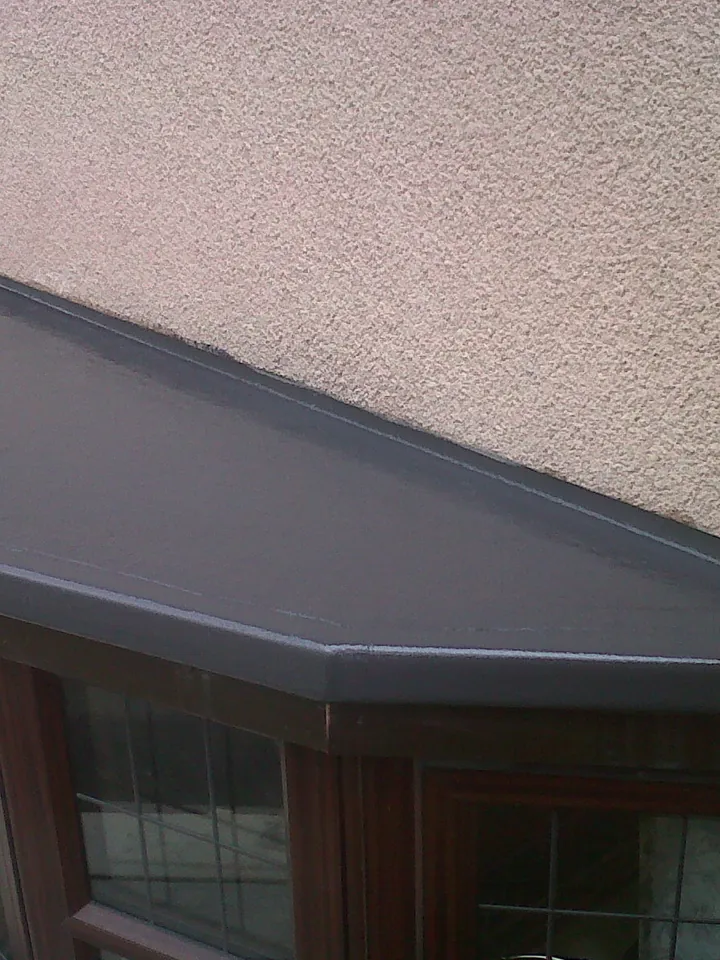
GRP fibreglass roof over a bay window

One Rigid, Jointless Surface

Laminated in place across the whole roof, fibreglass forms a single hard layer with no seams, so there is nowhere for water to creep in.

Light Foot Traffic

The cured surface is hard enough for occasional access, so you can reach a gutter or window without damaging the roof.

Vetted on Checkatrade

As Checkatrade members we have been vetted, and you can read feedback from other homeowners before you choose us.

Your Days in Writing

GRP needs dry weather to cure, so we agree the days on site with you in writing and keep you updated if rain moves them.

Ready to Get Started?

Ring Royale Roofing Ltd, or leave your details for a quote.

Swipe to See More

Reviews

Fibreglass Roof Reviews

Plan a Fibreglass Roof

Ring now, or leave a few details and a quote will follow.

More Flat Roof Services

More Flat Roof Choices

Fibreglass sits alongside other flat roof coverings. See the related services to compare materials and find the right fit for your home.
Fibreglass Roofs: How It Works

How a GRP Roof Is Laid

No two roofs are identical, but a fibreglass roof usually comes together through these four general stages.

1

Site Visit & Price

We check the roof, the deck and the edges, discuss colour and finish with you, and give you a fixed figure in writing.

2

Boards & Trims

The old roof comes off, the deck is checked or renewed, and the edge trims are fixed ready for the laminate.

3

Laminate & Topcoat

Matting and resin are laid in dry weather to form one layer, then the topcoat is applied to seal the surface.

4

Finished Roof Review

After the topcoat has set and the ground is clear, we review the completed work with you and confirm everything has been done as agreed.

Swipe to See More

Fibreglass Roofs FAQs

Fibreglass Roof FAQs

What Is a GRP Fibreglass Roof?

GRP stands for glass reinforced plastic. A GRP roof is made by laying glass fibre matting over a timber deck and soaking it with resin, which hardens into a solid, waterproof layer. A coloured topcoat then seals the surface. The result is a rigid flat roof with no joints.

Can I Walk on a Fibreglass Roof?

A fibreglass roof can take light foot traffic, such as stepping out to clean windows or clear a gutter. It is not intended as a balcony or terrace without additional work. If you plan to use the roof more often, tell us at the survey so the laminate and finish suit that use.

Is Fibreglass or Rubber Better for My Roof?

Both are good flat roof coverings with different strengths. Fibreglass gives a hard, jointless surface with crisp moulded edges and handles occasional foot traffic. Rubber is a flexible single sheet that copes well with movement in the structure beneath. We recommend one based on your roof's shape, access and use.

Why Does a Fibreglass Roof Need Dry Weather?

The resin needs dry conditions and a suitable temperature to cure properly, and moisture on the deck can stop the laminate bonding. That is why we plan fibreglass roofs around the forecast and agree the days with you in writing. If the weather turns, we tell you and rearrange rather than risk the finish.

Can Fibreglass Be Used on a Dormer Roof?

Yes. Fibreglass works well on dormers because the laminate can be formed around awkward shapes and the moulded trims give clean edges against the main roof. The small area also means the roof can usually be laid as one continuous layer with no joints to maintain.
Contact

Can't Find the Answer You're Looking For?

Get in touch with us today.

01494 370053Get a FREE Quote